From Agent Front End to Dark Factory
Most companies are still using AI through a front end. The real transition starts when AI stops being a place people visit and starts becoming part of the workflow itself.
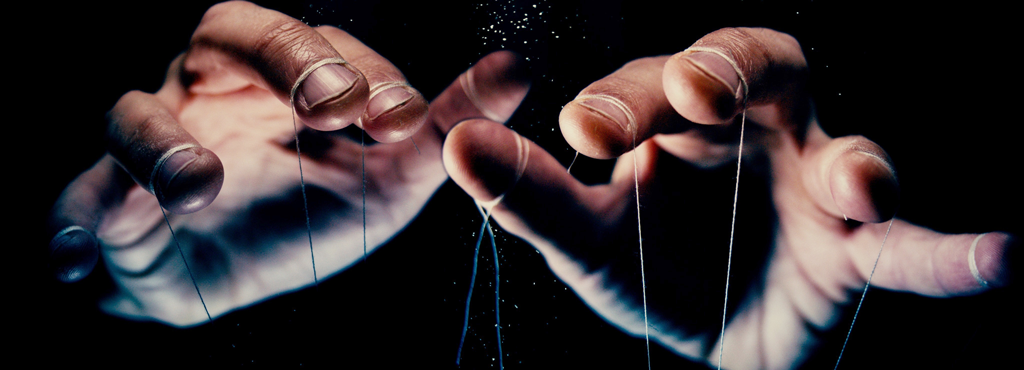
Most people still use AI at the front end. They open ChatGPT or Claude, type in a prompt, get an answer, and then go do the actual work themselves. There is nothing wrong with that. It is already better than not using it at all, and learning how to ask good questions is a real skill. But it is still the shallow end of this shift.
What matters more is what happens after the answer. Does the work still depend on you carrying every hand-off, rewriting every output, and pushing every next step forward by hand? If it does, then AI is helping you think, but it is not changing the operating model yet.
That is the progression I mean when I talk about moving from the agent front end to the dark factory. I do think there are stages to it, but I do not mean that as some polished maturity model. I just mean there is a visible pattern in how this tends to evolve. First AI is a place you visit. Then it starts helping inside the workflow. Then it starts moving work between steps. Then the routine flow stops depending on you standing inside it all day.
My own example for this is not software delivery. It is food planning. That is useful precisely because it is ordinary. I enjoy cooking. I do not enjoy carrying the planning overhead for it every single week. Picking meals, checking what is already in the pantry, figuring out what is in season, building the shopping list, remembering what I wanted to try, and turning all of that into something usable takes more mental space than it should.
At the front-end stage, I was just asking AI for help. Give me meal ideas. Help me build recipes. Remember the kinds of things I like. Factor in the shellfish allergy. That was useful, but I was still the workflow. I was still the one collecting context, deciding what mattered, moving information from place to place, and translating the output into something I could actually use.
The next step was when AI stopped being a conversation and started becoming part of the process. I had it build the shopping list from the weekly menu, then help me shape that list around the actual layout of my local grocery store. I used it to help write a small Python script that reorganized the list by aisle and turned it into something I could drop into Notes with checkboxes. That was a meaningful shift. The output was no longer just advice. It was feeding the workflow directly.
That is where a lot of people can get real value and should spend more time than most do. There is a lot of drag in companies that comes from small repeated steps. Intake cleanup. Classification. Status updates. Drafting. Routing. Formatting. The first win is usually not full autonomy. It is removing one ugly, repetitive piece of friction from a process you already understand well.
The stage after that is where the workflow starts to move on its own. A file gets created and the next step runs. A note gets updated and something downstream picks it up. A classification happens and the work routes automatically. At that point you are not just using AI as an assistant anymore. You are supervising motion. You are deciding where it should be trusted to act and where it should stop and come back for judgment.
That is what happened with the food workflow for me. I kept tightening the hand-offs. Recipes, pantry state, my notes, seasonal information, and scripts started feeding downstream actions instead of just sitting there as disconnected inputs. I was no longer carrying each step one by one. I was reviewing the system, catching misses, and improving the flow. The work had started to move without me acting as glue between every part of it.
The dark-factory stage is when that routine flow becomes a managed system. People hear that phrase and assume it means removing humans. It does not. It means humans move up a level. They design the process, monitor it, review the output, handle exceptions, and improve the system. They stop spending their day manually stitching together routine movement that a decent workflow should be able to handle.
That is where my weekly planning is now. The system looks at my recipe history, pantry state, seasonal context, and prior notes about things I have been thinking about cooking. It generates the dinner plan, builds the shopping list, and creates supporting prep guidance and reminders. I still review it. I still override it. I still decide what I actually want to eat. But I am no longer doing the administrative glue work that used to keep the process alive.
One of the best examples of this was when it suggested blueberry chutney salmon. It knew I had blueberries around because I use them for breakfast, and it pulled an older note from what I call my second brain, which I have not explained here and will come back to another time, about a Scandinavian salmon and blueberry combination I had seen somewhere and thought sounded unusual. It connected those dots and put the dish into the weekly plan. That is a small example, but it shows the difference: the system had enough context to move the work forward without me prompting it again. It surfaced a connection I had long lost track of and turned it into something useful.
The scale is small, but the pattern is not. Once you see how this works in an ordinary personal workflow, the jump to company operations is not that large.
This is why I think a lot of companies are still looking at AI from the wrong angle. They are still treating it like a front-end productivity layer. Better writing. Faster summaries. Cleaner notes. That is fine as far as it goes, but it misses the bigger opportunity. The real change shows up when you redesign how work gets classified, routed, prepared, reviewed, and escalated.
You can see the same pattern in service desks, project management, finance ops, internal support, and a lot of other functions that are basically queues with rules. In many of those environments, people are not adding deep judgment at every step. They are doing glue work. They are moving context between systems, cleaning up inputs, routing requests, chasing updates, and keeping the process from stalling. That is exactly the kind of work this solution can absorb.
The mistake is expecting the automated version to be perfect while giving the human version a free pass. Most human workflows are already messy. Tickets get misrouted. Updates arrive late. Context gets dropped. Exceptions bounce around longer than they should. That is the actual baseline. If the system can handle routine flow at roughly that level, with a human layer above it for review and correction, you already have something useful. Then you improve from there.
That is also why this matters beyond personal workflows. Once you have seen one process make this jump, you stop asking which model is smartest and start asking where your company still depends on a person manually carrying routine movement between steps. That is usually where the redesign should start, because a lot of work feels normal only until you stop and ask whether it actually needs a person standing inside it.
I'm Adam Birch. I’ve spent my career leading global IT operations, service
delivery, and infrastructure teams. After 12 years at Oliver Wyman, I’m
looking for my next role leading AI-enabled operations and redesigning how
teams actually work. If that overlaps with what you’re building, I’d like
to talk.